AI-powered Chatbots
Why Voice AI Escalations Happen in Self Storage
AI can handle more customer conversations than ever. But even with powerful large language models (LLMs) supporting self storage contact centers, escalations still happen.
That isn't a system failure. It’s a reflection of how people, technology, and operations intersect. Sometimes, escalation is the right course of action.
The key is understanding why escalations occur, what they mean, and how to design around them.
Here’s a breakdown of the most common reasons escalations happen in self storage call centers today.
1. Caller Preference
Some tenants or prospects simply prefer to speak with a human. Even if the AI is capable of answering their question, these callers will immediately request a live agent.
This is often tied to the type of customer or urgency of the call. A long-time tenant disputing a charge or someone in distress may not want to “talk to a bot.”
They want human empathy, confirmation, and a real voice on the other end.
These kinds of immediate escalations are normal, and even healthy. Giving customers a clear path to a human agent shows that you value their time and preferences.
2. Complex or Sensitive Issues
LLMs are excellent at handling routine inquiries: What units are available? What’s the monthly rent? How do I reset my gate code?
But when a customer is upset about a late fee, needs an exception to the lease, or wants to report a problem with their unit, automation alone isn’t enough. These moments require human judgment, emotional intelligence, and sometimes the authority to override policies.
Escalating these conversations means AI correctly recognized that a human was needed to reach a resolution.
3. System Limitations
Even the best AI can't act on information it doesn’t have.
If the AI system isn’t integrated with real-time account data, it won’t be able to answer balance questions, make payments, or identify which unit a tenant is currently renting. It may also lack permissions to carry out certain actions like issuing refunds, applying discounts, or adjusting move-out dates.
In these cases, the escalation is functional. The AI reaches the edge of its system access, then hands off to an agent who has the necessary information to complete the task.
Staffing Constraints
As a note, occasionally, the AI will attempt to escalate to an agent, but the escalation will fail to connect. Seeing a failed escalation doesn’t necessarily mean something is wrong. Sometimes, there’s a block on the escalation path itself.
When no agent is available to take a transfer, or when the call comes in outside business hours, the AI has nowhere to escalate, even if escalation is warranted.
This can lead to:
- Timed Out: The caller waited for an agent but one never responded.
- No Agent Available: The system tried to escalate but couldn’t find a staff member to connect.
- Outside Hours: The call was escalated during off-hours when no agents were on shift.
- Closed by System: The call ended without human resolution.
These outcomes don’t reflect on the AI’s performance but highlight operational coverage gaps that impact the customer experience.
On the contrary, these moments become rarer with help from AI. You’re less likely to have no agents available when AI is taking calls off their plate. Before AI, after hours calls wouldn’t even get answered at all, so even a couple failed escalations is still a dramatic improvement.
Since this is a possibility, it’s important to have a workflow in place in the event of a failed escalation. This can be as simple as a “there are no available agents” message or asking the customer if they need help in another area.
The exact details of that workflow depend on the specific needs of your facility
A Better Way to Measure AI Performance
Escalations alone don’t tell the full story. Some are expected, others are unavoidable.
That’s why successful operators track containment rate, which is the percentage of conversations successfully handled by the AI without needing human help. It’s the inverse of escalation rate and provides a much clearer picture of how well automation is working.
Containment shows how often the AI resolved the inquiry end-to-end. Escalation shows when human input was needed or when operational limits like staffing got in the way.
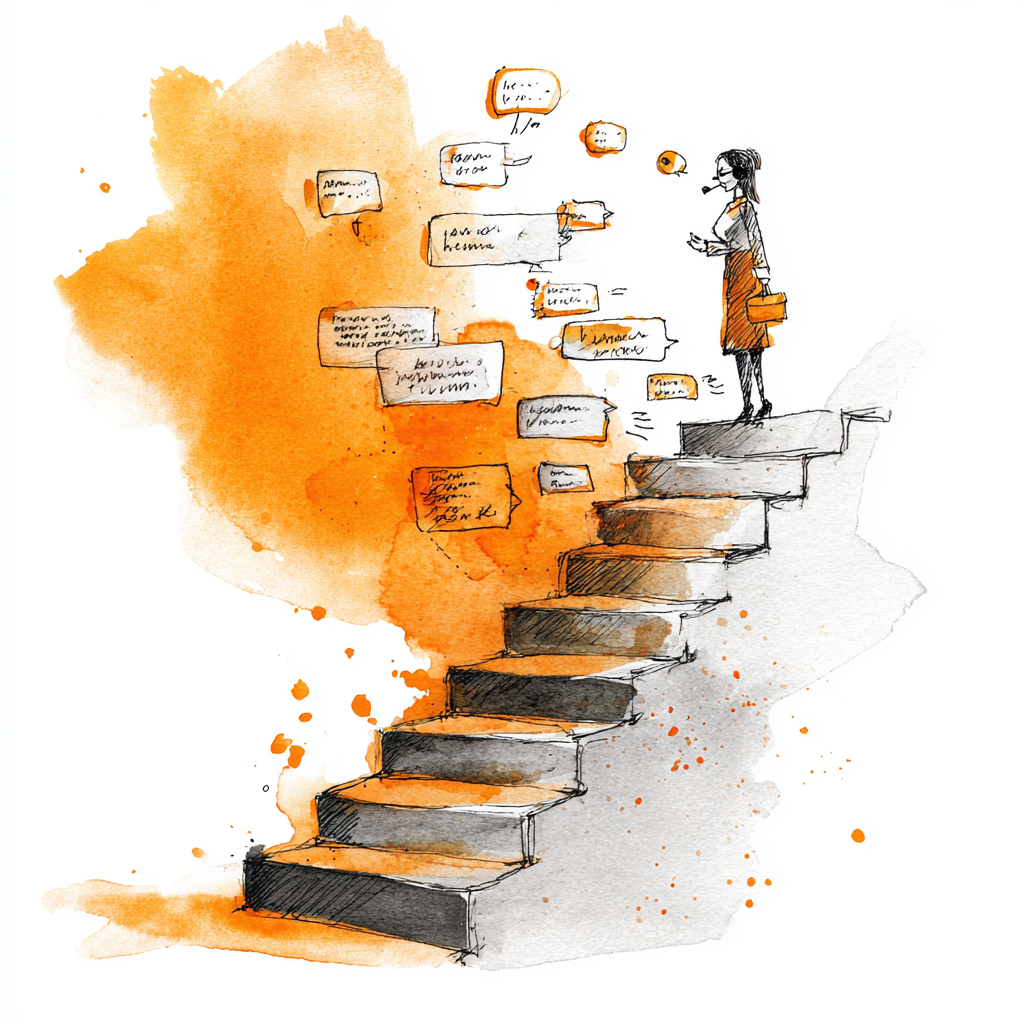
Both metrics matter, but they tell different stories. A well-tuned system aims to increase containment while preserving high-quality escalation paths when humans are truly needed.
Final Thoughts
Escalations are not failures. They’re part of a healthy, human-centered automation strategy.
By understanding why escalations happen, whether from caller preferences, issue complexity, or system access, you can design smarter workflows, set better KPIs, and continue improving your customer experience.
In self storage, your contact center represents your brand. Every escalation is a chance to deliver thoughtful service, whether by AI or by human.
The goal isn’t zero escalations. The goal is seamless resolution through the right channel, at the right time, for every customer.
Do you want to see how swivl can handle your calls, texts, chats, and emails through one AI-powered platform? Book a demo with our team today.
.jpg)